Available paper cone specification ranges
| Specification | 4°20′ | 5°57′ |
|---|---|---|
| Top / nose inner diameter | 27.5–28.5 mm | 27–28.5 mm |
| Bottom / base inner diameter | 57.5–58.5 mm | 67.5–68.5 mm |
| Axial cone length | 170–173 mm | 170–173 mm |
| Paper grade | 350–450 GSM | 350–450 GSM |
Diameters above are inner diameters (ID). These are available ranges, not manufacturing tolerances or individual batch measurements. Confirm the selected dimensions, measurement positions, finish and tolerances on the approved sample or drawing.
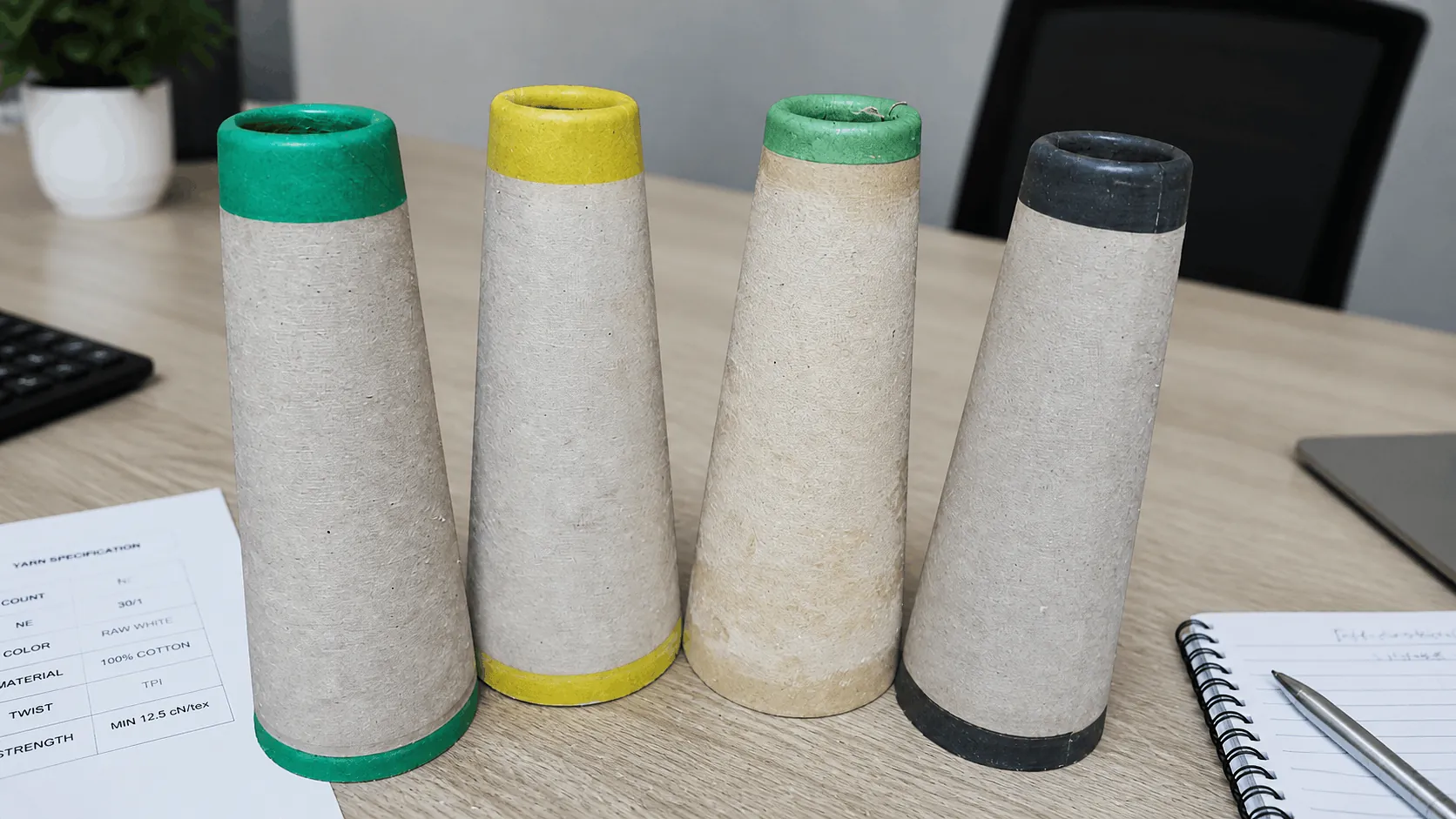
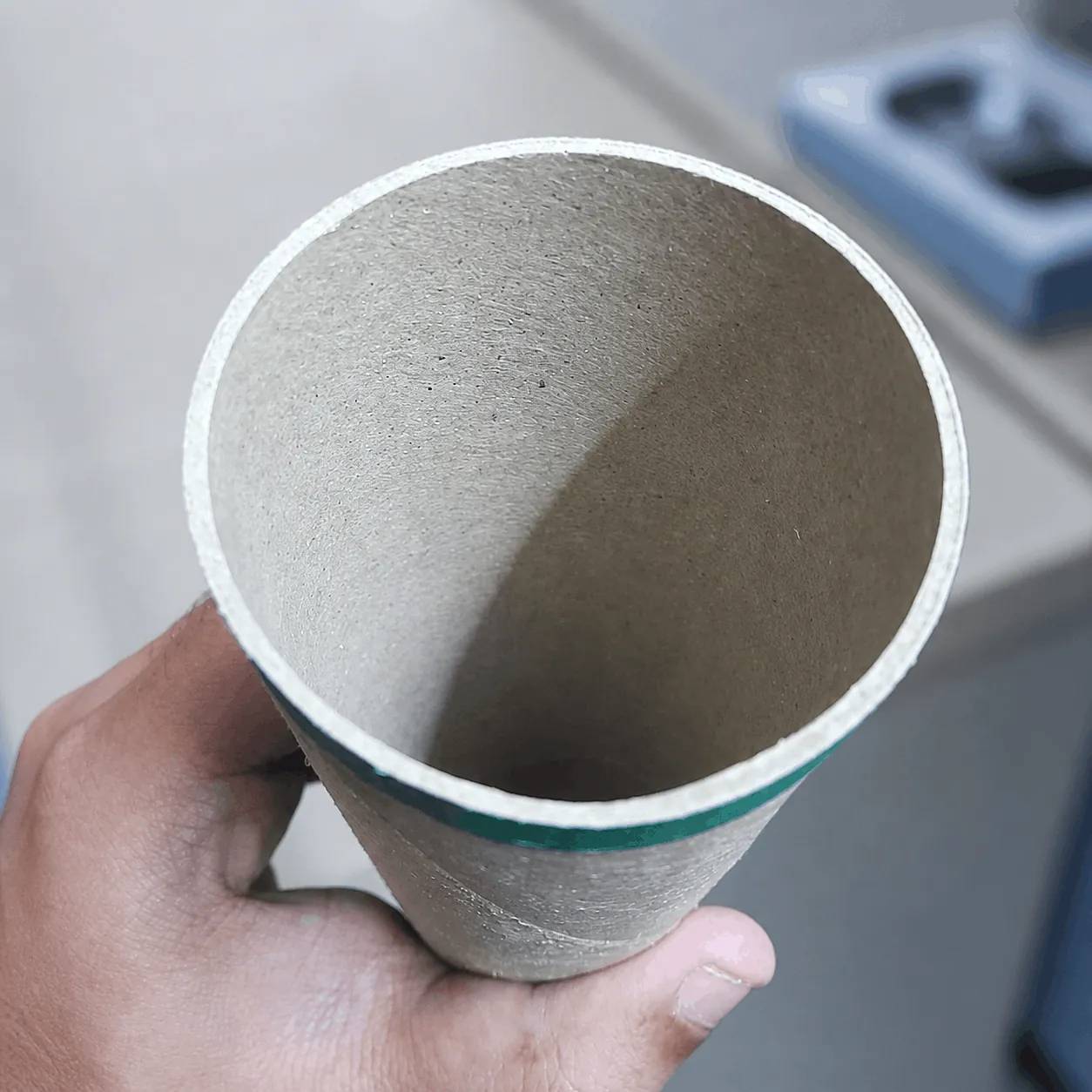
Specification fields for a buyer-approved order
Key Specifications at a Glance
| Taper families | 4°20′ / 5°57′ |
|---|---|
| Length (L) | 170–173 mm; confirm the order-specific length on the approved drawing |
| Top / nose inner diameter (d) | Small-end internal diameter; agree measurement position and tolerance |
| Base inner diameter (D) | Large-end internal diameter; agree measurement position and tolerance |
| Finished cone weight | Specify finished cone weight per piece; confirm by sample |
| Paper GSM | 350–450 GSM; paper grade is separate from finished cone weight |
| Surface finish | Smooth, Velvet, Embossed |
| Color and marking | Confirm kraft body, rim color and printing requirements per order |
| Tolerances | Agree in writing against the buyer-approved drawing; no universal tolerance is stated |
| Packaging | Confirm pieces per carton, carton dimensions, net/gross weight and packing method with the quotation |
L is the end-to-end axial length. d and D refer to the internal openings at the small and large ends. Specify the distance from each rim where a diameter is measured. An outer diameter is a separate value and must not be substituted for an inner diameter.
4°20′ and 5°57′: use degree-minute notation
The minute symbol means one-sixtieth of a degree: 4°20′ is approximately 4.333°, while 5°57′ is 5.95°. Decimal 4.20° is a different angle. Do not convert an ambiguous order label without checking the buyer’s drawing. Preserve the drawing’s definition of the taper angle as well as its notation.
| Selection question | 4°20′ family | 5°57′ family |
|---|---|---|
| Which machine? | Match the exact holder and setup | Match the exact holder and setup |
| Length and bores | Agree for the specific cone | Agree for the specific cone |
| Finish | Smooth, velvet or embossed; trial required | Smooth, velvet or embossed; trial required |
| Interchangeable? | Do not substitute without approval | Do not substitute without approval |
See our machine/specification matching guide. No brand-wide fit or single machine speed is promised.
How to measure a reference paper yarn cone
- Label the reference cone, drawing revision and measurement date. Note storage and conditioning conditions.
- Measure axial length between the end faces. Avoid measuring along the sloping wall.
- Use suitable, checked measuring tools for the nose and base bores. Record the internal diameter and its measurement depth. Do not squeeze a paper rim to obtain a reading.
- Check multiple orientations at each agreed cross-section and record individual readings; agree the roundness method and limits before inspection.
- Weigh the finished empty cone. Record paper GSM from the agreed material specification separately.
- Repeat across agreed samples and lots. Keep the individual results and measurement method with the approved reference.
Use the measurement checklist to organize an inquiry. A photograph is not a substitute for a dimensioned drawing or physical reference. We do not publish an unmeasured diagram as production evidence.
GSM, finished weight and finish answer different questions
GSM is paper mass per unit area. Cone weight is the mass of the finished empty cone, including its construction and finishing. They are not interchangeable, and neither figure alone establishes wall strength or winding performance. Ask for the material grade, finished weight and relevant agreed test method.
For the inner wall, inspect for loose fibres, protruding adhesive and damage that could affect seating. For the outside, compare the proposed smooth, velvet or embossed surface using the actual yarn and winding setup. Specify rim color and printing separately from the finish.
Approval and repeat-order control
Agree nominal dimensions, tolerances, sampling method, packing and trial acceptance in writing. Record the approved cone or drawing revision on repeat orders. Request the inspection records required for your order before production; an advertised range is not a batch result.
Procurement and QC teams can use our spinning-mill incoming inspection and ordering guide. For custom specifications, send the drawing and highlight which requirements differ from your existing cone. Availability, MOQ and timing are confirmed during quotation.
Keep a sample and incoming-inspection record
Record the approved drawing revision, measurement positions, individual sample readings and mill-trial outcome. Keep paper GSM separate from finished cone weight, and compare results with the limits agreed for your order.
Download the blank inspection checklist (text)
This is a worksheet for your team to complete, not a test certificate or evidence that a batch has passed inspection.
About the manufacturer
In the paper cone business since 2005, Aziz Packaging Limited manufactures kraft paper yarn cones in Narayanganj 1450, Bangladesh, using manual and fully automatic production. Discuss 4°20′ and 5°57′ taper families and smooth, velvet or embossed finishes with our team. Order-specific dimensions, finished cone weight, paper grade, packing and machine suitability are confirmed for the requested specification, subject to buyer sample or drawing approval. Explore the product range or plan an export quotation.
Get a quote faster on WhatsApp
Message your machine model, taper angle, quantity and destination.
WhatsApp usPrefer email? Send your requirement below
Request a Quote
Send your machine model, required specification, quantity and destination. Select a sample request or quotation below.
Thank you. Your inquiry has been accepted for review. Our team will contact you on WhatsApp or email.